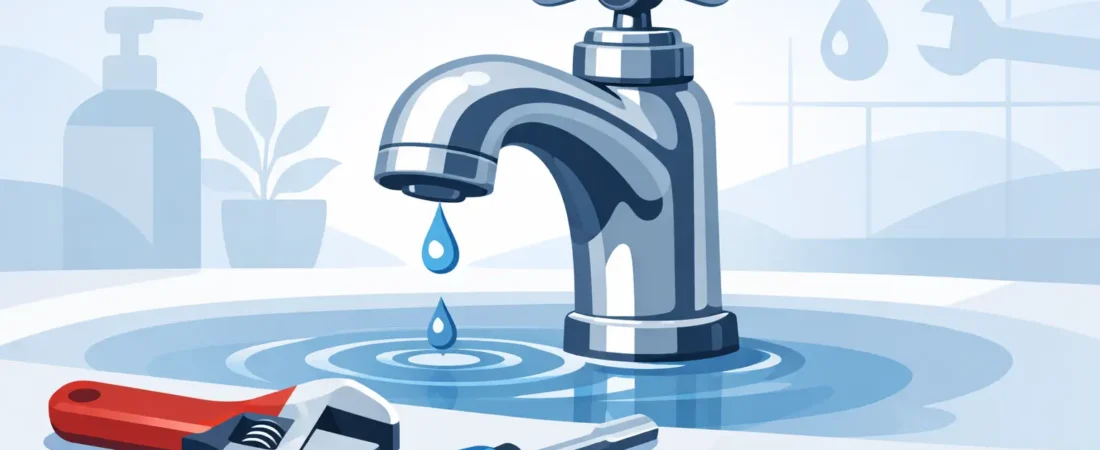
That steady drip is more than a background annoyance. Leaking tap repair can prevent wasted water, staining around the sink and a small plumbing issue turning into damage inside a cupboard or vanity unit. Whether the tap is in a London kitchen, bathroom, utility room or rental flat, the first step is working out where the water is coming from.
A tap that drips from the spout after being turned off usually has an internal part that is worn or no longer sealing properly. Water around the base of the handle, however, can point to a different issue. The right repair depends on the type of tap, its age and the condition of the plumbing beneath it.
Why a tap starts leaking
Most taps control water with a washer, cartridge or ceramic disc. Each is designed to stop the flow when the handle is closed. With regular use, these components can wear down, collect limescale or become damaged. London’s hard water can make this more likely, particularly where taps have been in place for years.
Traditional pillar taps, with separate hot and cold handles, often rely on a rubber washer. A worn washer can allow water to pass through and drip from the spout. Modern mixer taps may use a cartridge or ceramic disc mechanism instead. These parts are reliable, but they are not maintenance-free and can fail over time.
Not every apparent leak comes from inside the tap. Loose connections, ageing seals around the tap base, cracked flexi hoses or water escaping from pipework underneath the sink can all leave water in the same area. That is why it is worth checking carefully before buying a replacement part.
Leaking tap repair: find the source first
Dry the tap, sink and surrounding worktop thoroughly, then use the tap as normal for a short time. Watch where the first water appears. If it forms at the end of the spout after the tap has been switched off, the fault is likely inside the tap. If it gathers around the handle or runs down the back of the tap, a seal, gland or cartridge may be the cause.
Open the cupboard below the sink and look for dampness around the pipe connections, valves and hoses. A dry tissue is useful here, as it can reveal a slow leak that is difficult to see. Check again after running both hot and cold water, as the affected side may not be obvious at first.
Take care not to confuse condensation with a leak. Cold water pipes can become damp in warm rooms, but repeated droplets, swelling cabinet panels, rusty fittings or a musty smell need attention. A concealed leak below a sink can quietly damage flooring and cupboards long before it becomes a visible problem.
What you can safely check at home
If the leak is only a drip from the spout and there is no water escaping beneath the sink, there are a few sensible checks you can make. First, avoid forcing the handle tighter. Overtightening a traditional tap can damage the washer or valve, while forcing a mixer tap may harm the cartridge.
If you know where the local isolation valves are, make sure they are accessible. These are usually located on the pipes under the basin or kitchen sink. They allow the water supply to that tap to be turned off without shutting off water to the whole property. Do not force a stiff or corroded valve. If it will not turn easily, it is better to leave it and arrange help.
You can also remove visible limescale from the aerator at the end of the spout if the water flow has become uneven. This may improve flow, but it will not normally fix a drip after the tap has been turned off. A poor flow and a leak can be separate problems.
For many households, this is the sensible limit of DIY. Replacing a washer or cartridge sounds straightforward, but taps vary widely. The wrong part, a damaged retaining nut or a failed isolation valve can quickly turn a minor repair into an urgent plumbing call-out.
When it is best to call a professional
A professional repair is particularly worthwhile when the tap is leaking from more than one place, the water will not isolate, or the fitting is old and difficult to dismantle. It is also the safer choice if the tap is mounted on a fragile basin, a stone worktop or a wall-mounted unit where access is restricted.
Call for help promptly if you notice any of the following:
- Water collecting in the cupboard beneath a sink or basin
- A leak close to electrical sockets, appliances or wiring
- Swollen cabinet panels, loose flooring or staining on a ceiling below
- A tap that continues running rather than dripping when switched off
In these situations, turn off the local water supply if you can do so safely. If not, use the main stopcock if you know where it is and it operates freely. Keeping towels around the affected area may limit immediate spread, but it should not replace a proper repair.
Landlords and property managers should take reports of leaking taps seriously even where the flow seems small. Water damage can affect neighbouring rooms or flats, and a worn tap may be the first sign that valves, hoses or seals in the same area are reaching the end of their working life. For tenants, it is sensible to report the issue promptly and keep a record of when it was noticed, especially if water is leaking below the sink.
Repair or replace the tap?
A leaking tap does not always need replacing. If the body of the tap is sound and a suitable washer, cartridge or seal is available, repair is usually the more cost-effective option. A good repair should restore a clean shut-off, steady flow and secure fittings without disturbing sound pipework unnecessarily.
Replacement may make more sense where the tap is heavily corroded, the finish is peeling, replacement parts are unavailable or the handle mechanism has become unreliable. It can also be a practical opportunity to update an awkward old tap with one that better suits the sink and how the room is used.
The trade-off is not simply the cost of a new tap. Some replacements require changes to pipe connections, worktop holes or the waste arrangement beneath the sink. A plumber can assess whether a like-for-like replacement is possible and explain the likely work before proceeding.
Preventing the next drip
No tap lasts forever, but a few habits can help. Use the handle gently rather than wrenching it shut. Wipe away standing water around the base of the tap, especially in bathrooms where moisture can sit around seals. If you live in a hard-water area, regular cleaning of visible limescale can keep the tap looking better and may reduce build-up around moving parts.
It also helps to deal with a minor drip early. A washer or cartridge replacement is often a straightforward job when the surrounding fittings are in good condition. Waiting until a leak affects the cupboard, pipework or electrics can make the work more involved.
Handy House provides practical plumbing repairs for homeowners, landlords and local property managers across London and nearby counties. If a dripping tap is wasting water, leaking below the sink or simply refusing to shut off properly, a careful inspection can identify the cause and get the right repair arranged. A tap should be one of the easiest things in your home to use without thinking about it – and it is worth putting right when it is not.